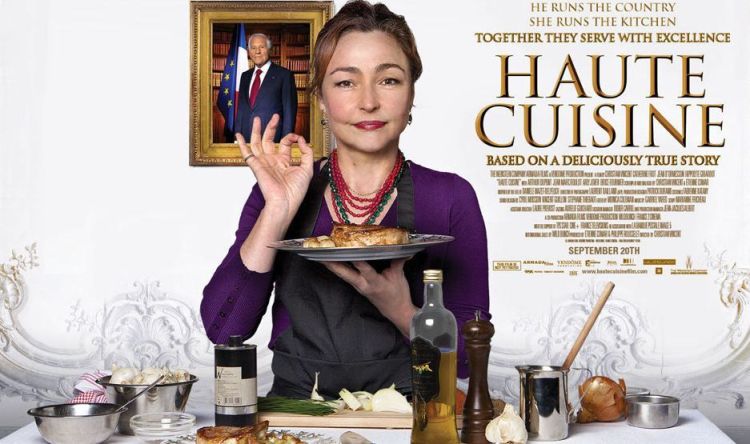
Haute Cuisine (2012), is a movie that portrays the significance of food quality and simplicity, even in the uppermost classes. Protagonist Hortense demonstrates that food does not need to be an elaborate, extravagant affair. Beyond the food itself, the movie explores the ways in which food makes you feel, and how it connects you to a place or a period of your life where you felt something significant, whether that is a positive or negative experience. The film further explores the “foodie” concept that food is more than just eliminating hunger but taking an interest in the ingredients you are consuming, where they come from and how they blend together with other ingredients to make an incredible meal. As Hortense becomes more familiar with her new work environment, she begins to bring in foods from her home region, Périgord, and share the wealth of her own personal cuisine. However other characters such as Nicolas and the Président himself share their own connections to their perspective regions through talking about food. One of the key themes from the film however, is the divide between male and female chefs. There is a common understanding that women should be confined to domestic cooking as opposed to the prestigious title of personal chef to the Président, however Hortense rejects this, which clashes with the machoism of the men in the main kitchen. Hortense chooses not to get involved with the politics of the kitchen, but to take those around her on a journey through food. This film coincides with the words of Kaufman (2010) in her critique of French food icon Grimod which explains the shift of French food from being an indulgent yet wasteful affair to improving the quality of the dish and appreciating its simplicity.
 European Cuisine in under 30 minutes