Polenta

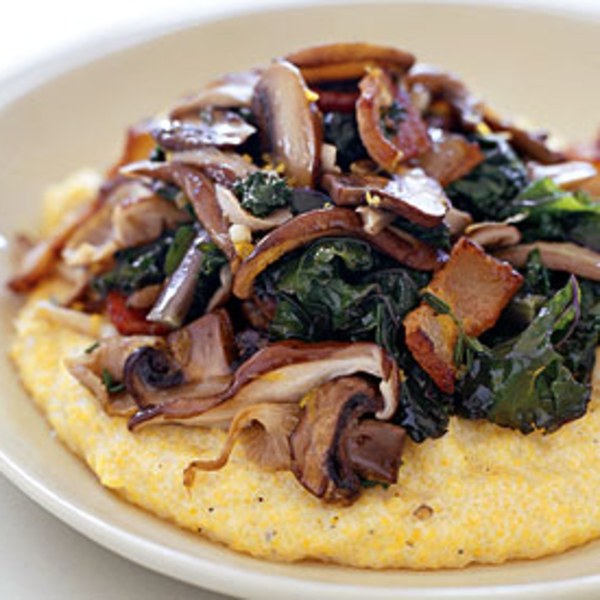
Polenta is an incredibly simple staple food from Northern Italy that can be made in under 45 minutes. While today the key ingredient of polenta is cornmeal, corn did not arrive in Europe until the 16th century. So, prior to this, industrious Italians were using acorns and buckwheat to make this simple dish, as these were simple the accessible ingredients for regions in Northern Italy. I love making this dish at home because of its simplicity, it’s quick and only requires 5 ingredients, water, cornmeal, milk, butter and some parmesan. It’s also so easy to pair with anything, it can act as a pasta with any kind of sauce and meat, but I love throwing a vegie stir fry, or even some sautéed mushrooms, on top of it for a light meal. There is however a bit of technique to polenta, it is important to pay attention to it while cooking, stirring it every 5 minutes or so to ensure the bottom doesn’t burn! I chose to prepare a thick creamy polenta dish for my family, topped with mushrooms and kale, however the great thing about this dish is being able to add almost anything to get the maximum nutritional value out of this meal. This dish is also not concerned with beauty, but rather providing its consumers with a hearty meal. Polenta is a family favourite in my household because of its versatility, my parents and my brother always love it.
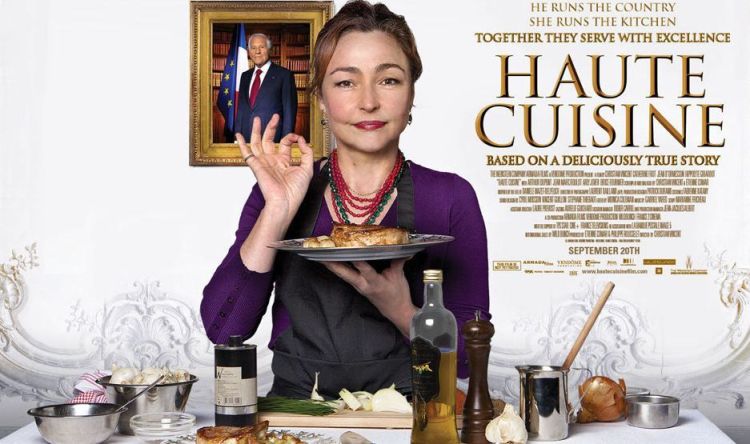
Haute Cuisine (2012)

Haute Cuisine (2012), is a movie that portrays the significance of food quality and simplicity, even in the uppermost classes. Protagonist Hortense demonstrates that food does not need to be an elaborate, extravagant affair. Beyond the food itself, the movie explores the ways in which food makes you feel, and how it connects you to a place or a period of your life where you felt something significant, whether that is a positive or negative experience. The film further explores the “foodie” concept that food is more than just eliminating hunger but taking an interest in the ingredients you are consuming, where they come from and how they blend together with other ingredients to make an incredible meal. As Hortense becomes more familiar with her new work environment, she begins to bring in foods from her home region, Périgord, and share the wealth of her own personal cuisine. However other characters such as Nicolas and the Président himself share their own connections to their perspective regions through talking about food. One of the key themes from the film however, is the divide between male and female chefs. There is a common understanding that women should be confined to domestic cooking as opposed to the prestigious title of personal chef to the Président, however Hortense rejects this, which clashes with the machoism of the men in the main kitchen. Hortense chooses not to get involved with the politics of the kitchen, but to take those around her on a journey through food. This film coincides with the words of Kaufman (2010) in her critique of French food icon Grimod which explains the shift of French food from being an indulgent yet wasteful affair to improving the quality of the dish and appreciating its simplicity.

Albondigas

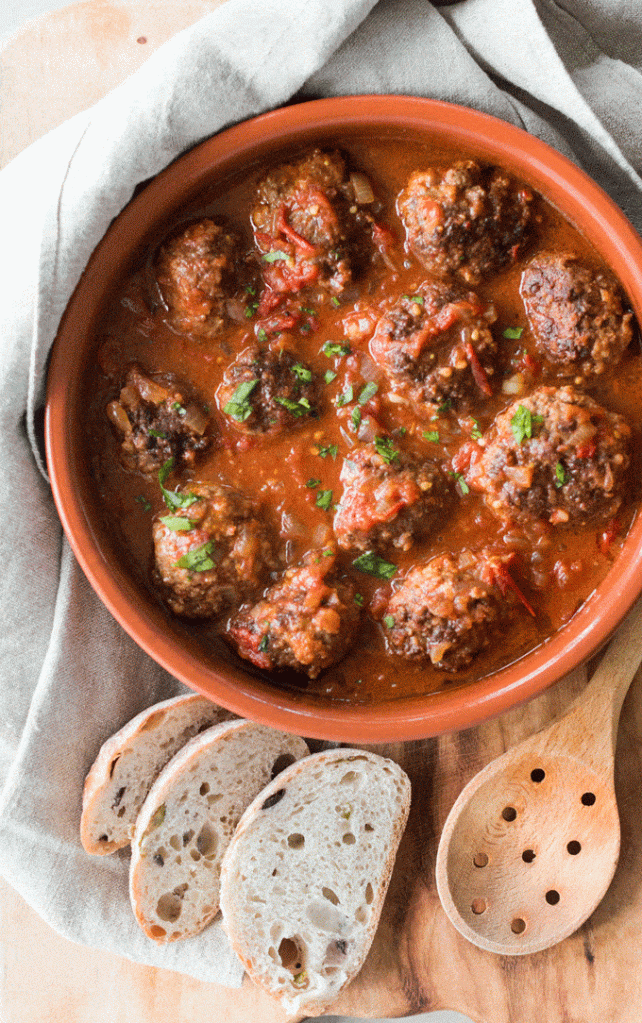
Albondigas are a traditional Spanish meatball that is typically served in a tapas style, that is, as a small savoury appetizer. Around 3-4 spicy pork meatballs are lightly pan-fried and served with a rich tomato sauce in a compact bowl, normally with a side of bread to mop up any extra sauce, and of course, a glass of red wine. The dish originated in Andalucía, the southernmost region of Spain. The word, Albondigas, originates from the Arabic word ‘al-bunduq’ meaning hazelnut, or small round object, this is because it is said that the dish was brought over during the Islamic rule of Spain and of course, the meatballs were strictly made of beef, never pork. During the Spanish inquisition however, the Spanish Catholic Church forced the expulsion of Jews and Muslims from Spain through violence and strategic measures and during this time, Albondigas’ key ingredient was change to pork, excluding religious groups through cuisine. Meat, especially pork, has been a key component of the Spanish diet but also across the world. Italians famously eat meatballs (polpette) with tomato sauce atop a mountain of pasta, the Japanese eat meatballs (tsukune) barbecued and skewered on a stick and the Mexicans, derived from a Spanish cuisine make Albondigas using very similar ingredients and method, then stir them into a hot broth. Albondigas can easily be prepared and cooked in under 30 minutes and make a simple yet delicious appetiser, or can easily be thrown on top of pasta or potatoes to make a hearty meal!

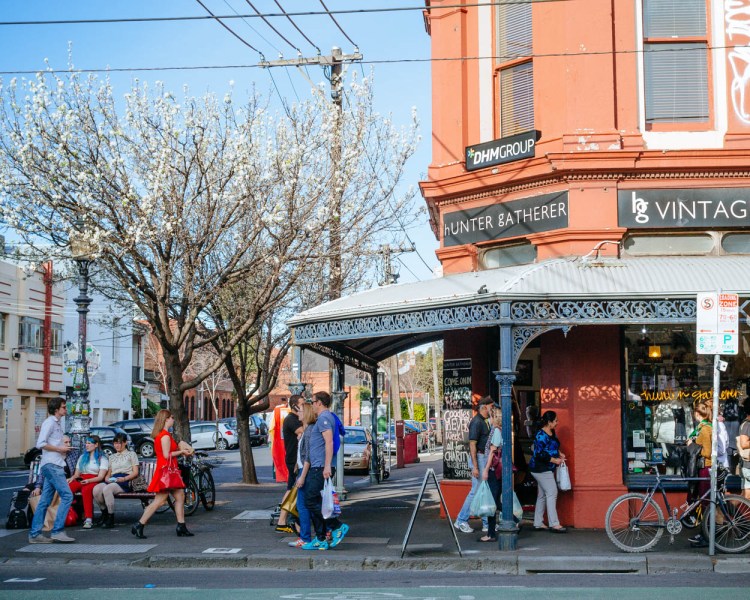
Brunswick Street south of Johnston Street, Fitzroy

This is one of Melbourne’s trendiest areas, defined by an eclectic mix of artisanal and high end fashion and homewares stores. Slotted in between are many fast-paced, tiny cafes and restaurants of all different cuisines, all seeming to have their own unique twist that subscribes to the atmosphere of Fitzroy, that is, cutting-edge, modern and most importantly, each one is different to the last. There’s no such thing as a quiet day or night on Brunswick street. There is a constant flow of people, bikes, cars, trams, buses, dogs and the odd skateboard or scooter, reminding you to look both ways before you cross the street or step outside a little boutique or bistro. Some say that this area is the identity of Melbourne and Melbournians, simply because it is such a vast array of what our culture has on offer. Myself, I do not adhere to any particular cultural identity as I’m the daughter of a British Hong Kong expat and an Australian that has spent most of his life working overseas, in all parts of the world. I think that’s why I’m so in love with this neighbourhood, because it represents diversity in a modern Australian setting. Melbournians appreciate quality, fresh food, art and design which are all components of this strip. However, the downside of this need to appeal to what Melbournians want prevents true authenticity shining through. Even after a site visit it’s evident that there is no such thing as a purely legitimate Italian, French or Spanish café or restaurant, every establishment is slightly tweaked to ensure it appeases the locals. All food places in inner Melbourne, even including supermarkets have undergone a process of “Australianisation” that guarantees a new Australia identity asserts itself above a traditional past identity.

Bouillabaise

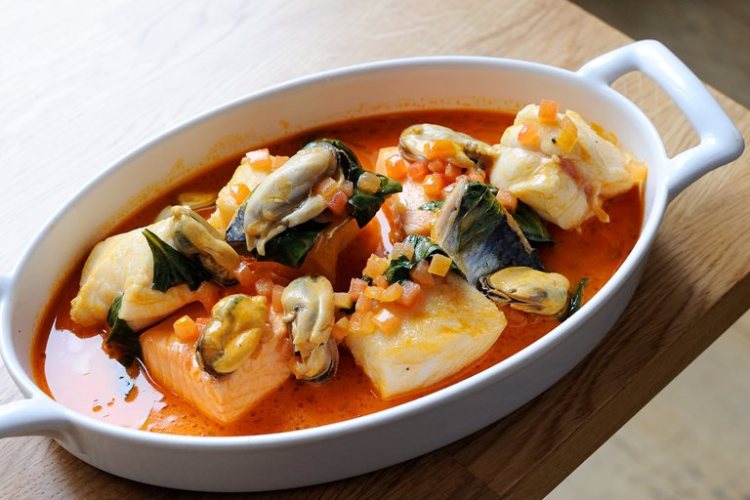
Bouillabaisse is a simple, traditional French stew from the port of Marseilles. Fennel, olive oil and the fish and shellfish are all traditional French elements of the dish, other components such as saffron and orange peel were added during the Mediterranean trade period, and spices such as the cayenne pepper are components of the New World trade which began following the discovery of the Americas. Traditionally, the stew used bony rockfish and other seafood that could not be sold in markets and was easily accessible by all classes. As a port town, fish was plentiful in Marseilles, and the dish served as an easily prepared and hearty meal in which the sort of scraps of fish markets could be combined and enjoyed. Bouillabaisse was commonly made across the coastal areas of Provence, simply because it was such an easy way of combining available ingredients. Variations of this dish have been concocted across the world, but the ingredients that give Bouillabaisse a French identity remain, the fennel, saffron and orange zest. More importantly however, is the French technique used to make this dish. Specific practices used to make the stew mean that this recipe is portable and can be made anywhere in the world using different ingredients, but always the same technique. There is no doubt that the Bouillabaisse made in Marseilles and Melbourne would have differently sourced ingredients, but the simple basis of the recipe will be followed. Many traditional French meals are intended to be simple and easily accessible for all, and this is still relevant today, maybe Bouillabaisse a unique, quick and easy meal.

Design a site like this with WordPress.com
Get started